Kiribati
The Republic of Kiribati (formerly the Gilbert Islands) is comprised of thirty-three small atolls spread out over a million square miles.
The islands taken together only cover 280 square miles, an area about four times as large as Washington, D.C. Eight of the 11 Line Islands are part of Kiribati, as well as the Gilbert and Phoenix Groups of islands.
Kiribati played a small role in World War II, and there are some monuments to the conflict that still stand. On the small island of Betio, the Battle of Tarawa took the lives of thousands of American and Japanese servicemen. The island is a living monument to the battle.
Kiribati was named Gilbert Islands after the British Captain Thomas Gilbert, who sighted the islands in 1788. Robert Louis Stevenson spent time in the Gilbert Isalnds as well as Tahiti and Samoa. American explorer Edmund Fanning discovered Fanning Island, one of the Line Islands, in 1798. The Gilbert and Ellice Islands gained self-rule in 1971, and were separated in 1975 and granted internal self-government by Britain. In 1978 the Ellice Islands became the independent nation of Tuvalu. The Gilbert Islands became independent as Kiribati on July 12, 1979.
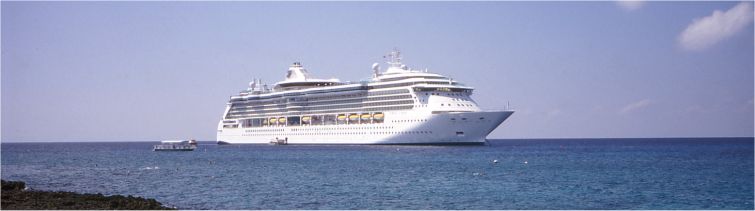
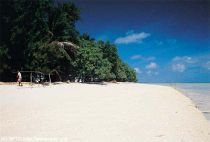
Fanning Island was renamed Tabuaeran, meaning heavenly footprint. The island is just now opening up to tourism., however it is believed that the Norwegian Cruise Line no longer visits this island. Tabuaeran has white sand beaches as well as exceptionally friendly local people. Activities include snorkelingl and scuba diving in the lagoon.